Christina Steinbrecher-Pfandt
Tech Diplomacy · Global AI Policy · Digital Sovereignty

Christina Steinbrecher-Pfandt

Co-founder and President of the Tech Diplomacy Network. Building working relationships between governments, technologists and multilateral institutions on AI governance, digital sovereignty and transatlantic technology cooperation.

“All diplomacy will soon be tech diplomacy.”

Global policy focus

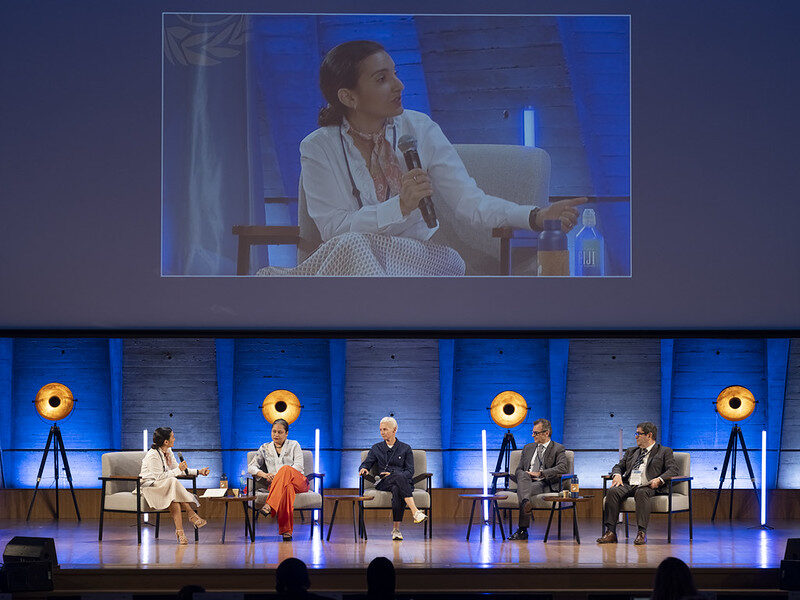
More than ten years in tech diplomacy and global AI policy, connecting U.S. and allied governments, defense innovators and multilateral institutions, with direct engagement across the UN, UNESCO, the World Economic Forum, DARPA, the U.S. Space Force and governments from California to the Baltics.

AI governance

Practical frameworks for responsible deployment, containment and accountability of AI systems, from global conferences to school districts.

Digital sovereignty

How open societies keep control of critical technology, data and infrastructure without closing themselves off.

Transatlantic tech & security

Defense-tech cooperation between the U.S., EU and the Baltics, including field research with Ukrainian founders, investors and officials.

Diplomatic capacity

Teaching mid-career diplomats the geopolitics of emerging technology, and building networks that outlast any single summit.

10+years in cross-border government partnerships
3languages at native or professional level (English, German, Russian)
2xfounder
Global 50Tech Diplomacy Global Institute, 2026

Current work

Convening, advising and teaching where technology policy and international relations meet.

  • 2023–present
    Co-founder & President, Tech Diplomacy Network · San Francisco / Vienna

    A global network linking diplomats, technologists and policymakers across the U.S., EU and Asia. Partners include the EU Office in San Francisco, EIT, the Asia-Europe Foundation and AI Safety Asia; supported by the Berggruen Foundation and the Montgomery Summit.

  • Oct 2025–present
    Policy Advisor, Dual Force Labs · Miami / Munich

    Policy strategy, stakeholder briefings and responsible-deployment frameworks for AI governance platforms engaging DARPA and the U.S. Space Force.

  • 2023–present
    Instructor, Tech Diplomacy Intensive, Diplo Foundation

    AI governance, digital sovereignty, cybersecurity and the geopolitics of emerging technology for mid-career diplomats.

  • 2026–present
    Tahoe Truckee Unified School District

    Elected member of the strategic plan task force and the AI working group shaping responsible AI policy for K–12.

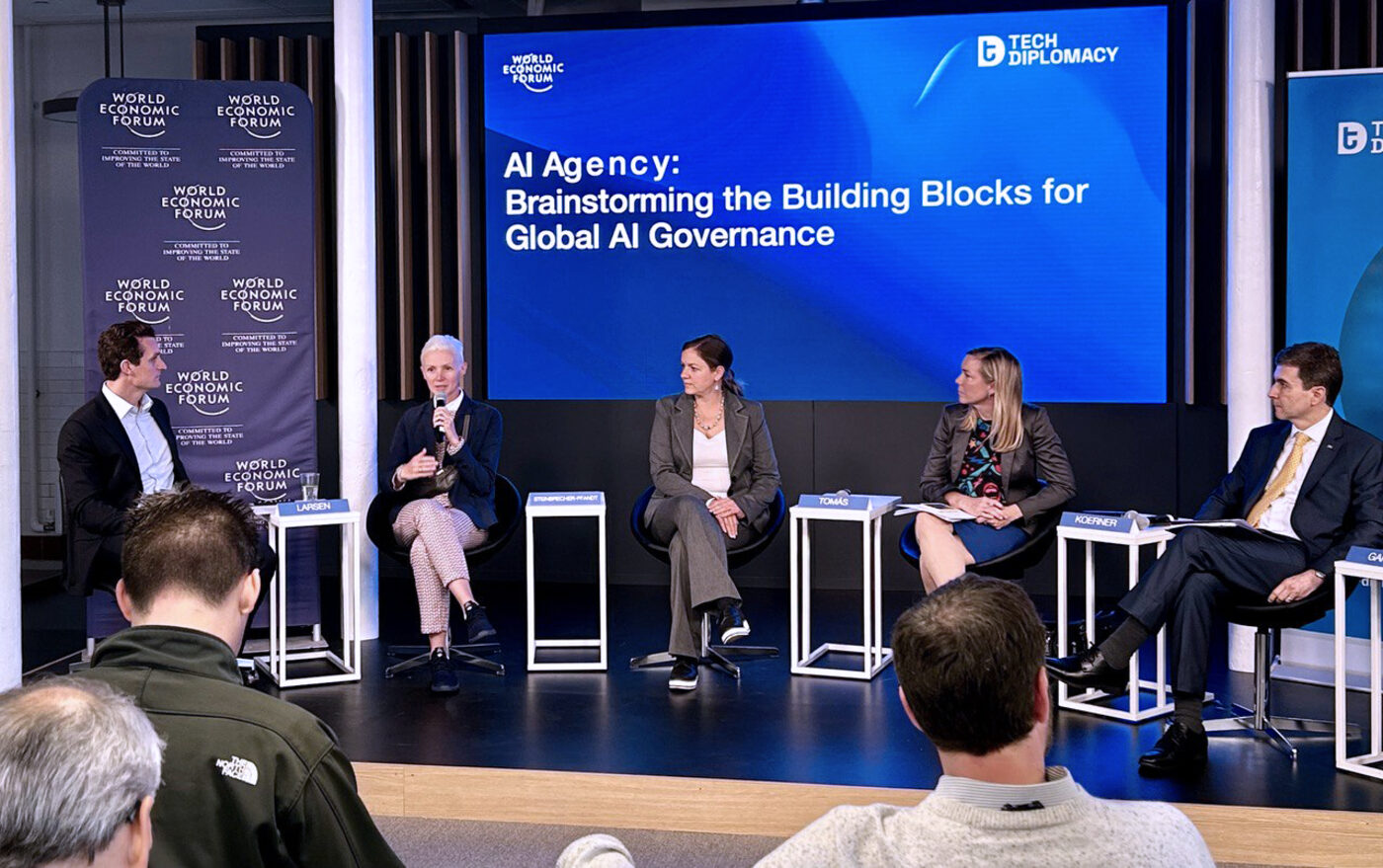
Christina Steinbrecher-Pfandt on the AI Agency panel with the World Economic Forum
“AI Agency? Brainstorming the Building Blocks for Global AI Governance,” Tech Diplomacy Network and the World Economic Forum, San Francisco.

Experience

Education

Recognition

Tech Diplomacy Global 50

Tech Diplomacy Global Institute, 2026

Tech Diplomacy Award Finalist

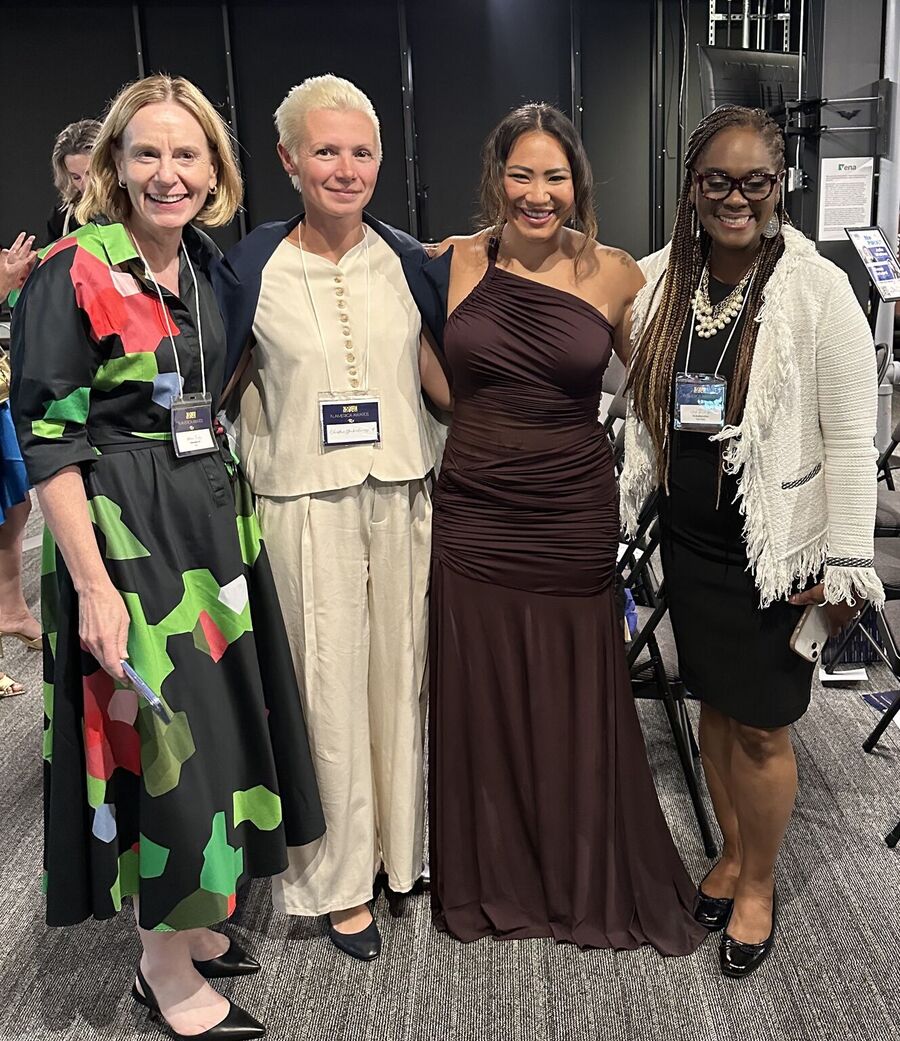
Women @ Tech, 2025

Fellow, Aspen Policy Academy

2025

Betaworks Accelerator

2021

40 Under 40 Europe

Apollo Magazine, 2018

Westerwelle Foundation

Alumna, For International Understanding, 2017

Writing & press

Biography

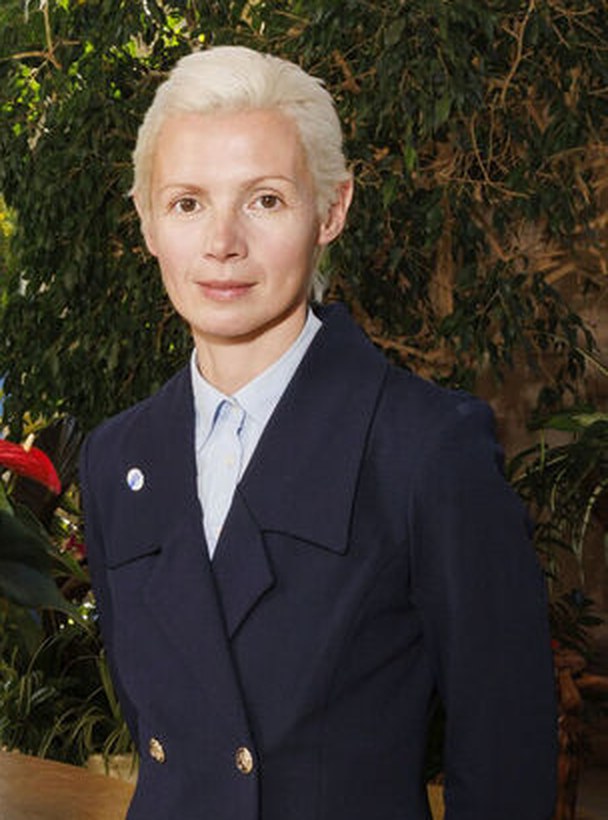
Christina Steinbrecher-Pfandt is a tech diplomacy leader and two-time founder. As Co-founder and President of the Tech Diplomacy Network, she brings together diplomats, technologists and policymakers across the U.S., Europe and Asia on AI governance and digital policy, and she advises U.S. defense-tech companies on government engagement. She teaches tech diplomacy to diplomats through the Diplo Foundation and was named to the Tech Diplomacy Global 50 in 2026.

Before turning to policy full time, she built institutions at the meeting point of culture, markets and technology. She led viennacontemporary into the top ten of global art fairs through partnerships with a dozen national governments, directed Art Moscow, and from 2019 to 2023 co-founded and led Blockchain.art, a venture-backed provenance platform, advising governments on emerging crypto regulation along the way.

Her beginnings are humble. Born in Taldykorgan, Kazakhstan, she emigrated with her family to Germany in 1990, part of an exodus of close to 2.4 million ethnic Germans leaving the Soviet Union. Her parents’ Soviet qualifications were not recognized, so the family turned to cleaning and security work; from the age of eight she cleaned homes and delivered newspapers alongside her mother, and by thirteen she was waitressing 30 hours a week while in school. She paid her own way through graduate school.

That experience still drives her work: a conviction that access to knowledge, culture and technology should not depend on where you happen to be born. She speaks German and Russian natively, works in English, converses in French and Spanish, and lives in Truckee, California.

Board: Armenia Art FoundationBoard: Artbat FestCross-country skiingHiking
Contact

For speaking, advisory and partnership inquiries.